
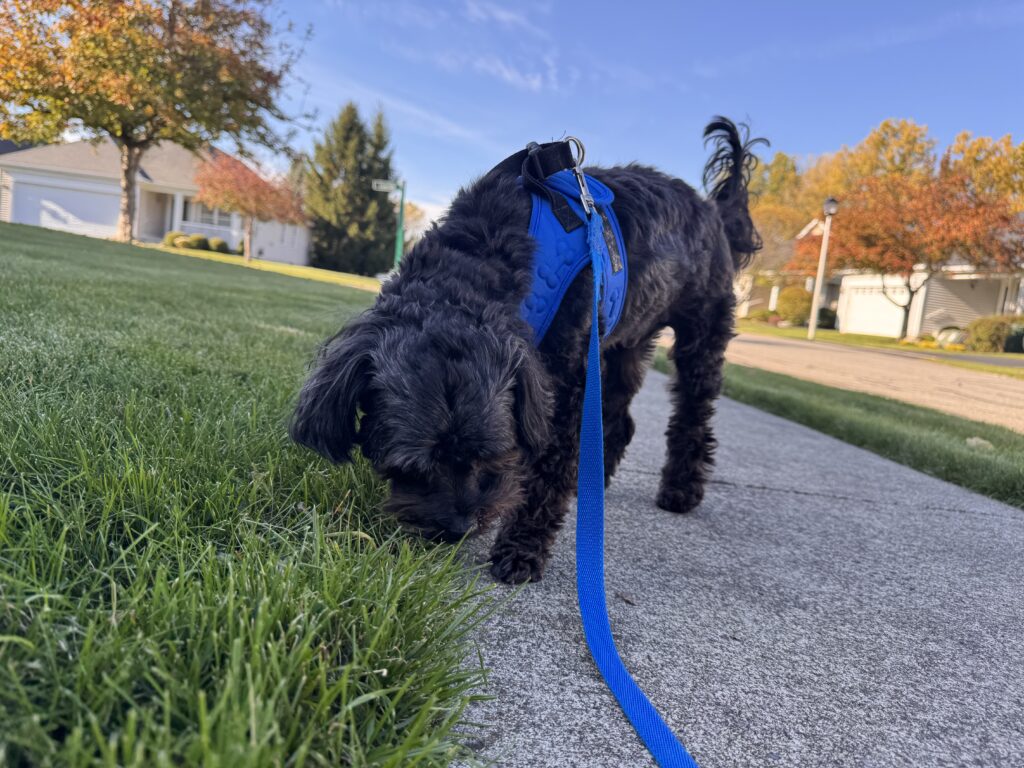
Wondering how to help pets adjust to colder weather? As the colorful leaves begin to fall and temperatures start to dip here in Western New York, it’s important to consider how seasonal changes affect our dogs and cats.
As the colorful leaves begin to fall and the temperatures start to dip here in Western New York, it’s time to start thinking about how seasonal changes affect our pets.
While some dogs can’t wait to romp through the fallen leaves or play in the snow, others would much rather curl up under a warm blanket. Cats may seek out cozy sleeping spots, and senior pets might find chilly mornings a little more challenging.
Just like people, every pet experiences colder weather differently. Their age, breed, coat type, health, and individual preferences all play a role in how comfortable they feel.
Here are some simple ways to help your furry family members transition comfortably into the colder months.
1. Pay Attention to Your Pet’s Comfort Level
Not every pet handles cold temperatures the same way.
Dogs with thick double coats, such as Huskies and Malamutes, may enjoy cooler weather, while short-haired breeds, small dogs, puppies, and seniors may become uncomfortable much sooner.
Watch for signs that your dog may be getting too cold, including:
- Shivering or trembling
- Lifting their paws off the ground
- Hunching their body or tucking their tail
- Slowing down or becoming reluctant to walk
- Seeking shelter or trying to head home
If your dog is showing signs of discomfort, it’s time to head indoors.
Cats can also be sensitive to temperature changes, particularly seniors, kittens, and those with little or no fur. Make sure they have access to warm, draft-free resting areas.
Remember: Just because your pet can tolerate colder temperatures doesn’t necessarily mean they’re comfortable.
2. Adjust Your Dog’s Walks to the Weather
As temperatures drop, your dog’s usual walking routine may need a few adjustments.
Some dogs absolutely thrive in cooler weather, while others prefer shorter outings.
And that’s perfectly okay!
A successful walk isn’t measured by how many miles you cover. Allowing your dog to sniff, explore, and engage with their environment provides valuable mental stimulation, even during a shorter walk.
Consider these cold-weather walking tips:
- Choose comfortable times: When possible, schedule walks during the warmer parts of the day.
- Let your dog set the pace: Pay attention to their body language and willingness to continue.
- Consider a coat or sweater: Short-haired, small, and cold-sensitive dogs may benefit from an extra layer.
- Watch walking surfaces: Frost, ice, and slippery leaves can create hazards for both dogs and their humans.
- Keep walks enjoyable: A shorter sniff-filled adventure can be just as rewarding as a longer outing.
Here at Comfort Zone Critter Care, we believe walks should always be tailored to the individual dog, their needs, and the conditions outside.
Sometimes that means a leisurely sniffari. Other times, it means a quick potty break followed by some fun indoor enrichment!
3. Give Senior Pets a Little Extra Consideration
Learning how to help pets adjust to colder weather starts with recognizing their individual needs and making small changes to their daily routines.
Colder weather can be particularly challenging for senior pets, especially those experiencing arthritis or other mobility issues.
You might notice your older dog taking a little longer to get moving in the morning or appearing stiffer after resting.
A few simple adjustments can help:
- Provide soft, supportive bedding away from cold drafts.
- Allow extra time for your pet to get up and move around.
- Keep walks gentle and appropriate for their abilities.
- Use rugs or nonslip runners on slippery floors.
- Make favorite resting spots easily accessible.
Cats with mobility challenges may also appreciate lower-sided litter boxes, ramps, or steps to reach their favorite cozy spots.
If you notice new or worsening stiffness, reluctance to move, or signs of pain, consult your veterinarian rather than assuming it’s simply part of aging.
Our senior pets deserve comfort, patience, and the freedom to move at their own pace.
4. Keep Indoor Cats Comfortable and Enriched
Although indoor cats are protected from the harshest outdoor conditions, seasonal changes can still affect their daily routines.
As daylight hours shorten and temperatures drop, your cat may spend more time sleeping or seeking out warm places.
Provide comfortable resting spots, such as:
- Soft beds or blankets in quiet areas
- Cozy hiding spaces
- Warm, sunny window perches
- Cat-safe heated beds designed specifically for pets
Be mindful of space heaters, fireplaces, and other heat sources that could cause burns.
And don’t forget about enrichment!
Indoor cats still need opportunities to engage in natural behaviors like hunting, climbing, scratching, and exploring.
Try rotating toys, introducing puzzle feeders, creating cardboard box hideaways, or scheduling short interactive play sessions throughout the day.
A little creativity can make those chilly indoor days much more interesting for your feline friend.
5. Protect Those Precious Paws
As fall transitions into winter, cold pavement, ice, snow, and deicing products can become concerns for your dog’s paws.
Road salt and chemical deicers may irritate paw pads, and some can be harmful if licked or swallowed.
To help protect your dog:
- Wipe paws after walks to remove salt, ice, and debris.
- Check between toes for irritation or trapped ice.
- Consider properly fitted dog boots if your dog is comfortable wearing them.
- Avoid heavily salted areas whenever possible.
- Use pet-friendlier ice-melting products around your own property, while remembering that no deicer is completely risk-free.
If your dog suddenly begins lifting their paws, limping, or refusing to walk, don’t force them to continue.
Their comfort and safety should always come first.
For additional cold-weather safety recommendations, check out the American Veterinary Medical Association’s guide to keeping pets safe in winter.
6. Maintain Familiar Routines as the Seasons Change
As the days get shorter and our schedules shift, pets may notice changes to their usual routines.
Dogs and cats often benefit from predictability, particularly those who are sensitive to changes in their environment.
Try to keep feeding times, bathroom breaks, walks, playtime, and rest periods as consistent as possible.
With daylight fading earlier, it’s also important to think about visibility during evening walks.
Reflective gear, light-up accessories, and well-lit walking routes can help make outings safer for everyone.
For pets who are uncomfortable walking in the dark or during poor weather, indoor enrichment can provide a wonderful alternative.
Food puzzles, scent games, training games, and appropriate chewing opportunities can all help keep dogs mentally engaged when outdoor adventures are limited.
7. Remember That Every Pet Is an Individual
Perhaps the most important thing to remember as temperatures change is that there is no single routine that works for every pet.
One dog may happily spend time exploring a snowy backyard, while another is ready to head inside after just a few minutes.
One cat may seek out the warmest blanket in the house, while another continues lounging in their favorite window.
Rather than focusing on what you think your pet should enjoy, pay attention to what they’re communicating through their behavior and body language.
When we respect their individual needs and preferences, we help them feel safer, more comfortable, and more confident in their environment.
How to Help Pets Adjust to Colder Weather All Season Long
Colder weather doesn’t have to mean less fun for our pets. With a little preparation, flexibility, and attention to their individual needs, dogs and cats can continue enjoying happy, enriching days throughout fall and winter.
At Comfort Zone Critter Care, we provide personalized, Fear Free pet sitting and dog walking services in Lancaster, NY.
Whether your dog enjoys a leisurely autumn sniffari, needs a shorter walk on chilly days, or your cat prefers the comfort of home while you’re away, we’re committed to providing compassionate care that respects each pet’s unique needs.
Looking for reliable, individualized pet care in Lancaster?
Visit Comfort Zone Critter Care to learn more about our professional pet sitting and dog walking services.
