
If you have a shy cat or a nervous dog, you know how heartbreaking it can be to watch them hide, avoid people, or seem anxious in unfamiliar situations. While every pet has a unique personality, there are gentle, Fear Free ways to help them feel safer and build confidence over time.
Not every pet greets new people with a wagging tail or loud purr. Some hide under the bed, avoid eye contact, bark from across the room, or simply need extra time before they feel comfortable.
Whether your pet is naturally reserved or has become nervous because of a new environment, changes in routine, or past experiences, one thing remains true: trust can’t be rushed.
The good news is that there are simple, gentle ways to help shy and nervous pets feel safer and more confident – without forcing interactions or overwhelming them.
Why Is My Shy Cat (or Nervous Dog) So Fearful?
Just like people, every animal has their own personality.
Some pets are social butterflies. Others are naturally cautious and take longer to warm up to unfamiliar people or situations. A shy cat often needs time before trusting new people.
Fearful behavior can also develop because of:
- Limited socialization
- Changes in the home or routine
- Previous negative experiences
- Illness or pain
- Age-related changes
Instead of asking, “How do I get my pet to stop being afraid?” try asking, “What can I do to help my pet feel safe?”
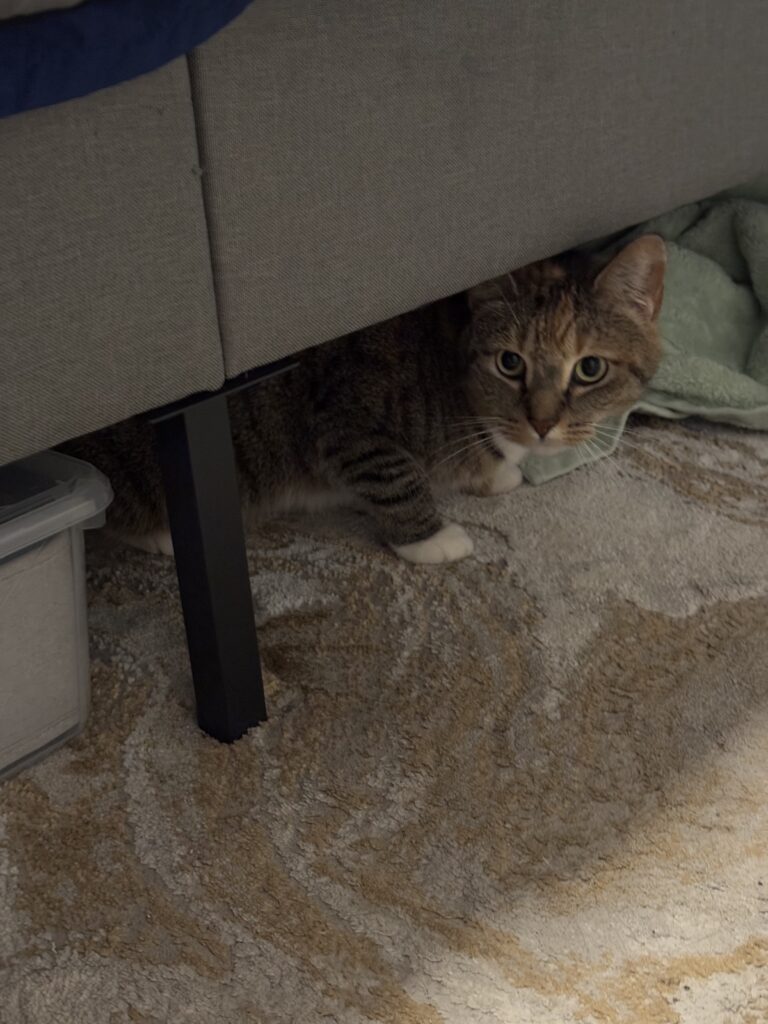
That small shift in perspective can make a big difference. Every shy cat is different, so patience is important.
How to Help a Shy Cat Feel Safe
One of the biggest mistakes people make is trying to force a shy pet to interact before they’re ready. Helping a shy cat feel safe isn’t about forcing interactions.
While it’s tempting to coax them out of hiding or insist they “say hello,” this often increases stress rather than building confidence.
Instead:
- Allow your pet to approach you first.
- Avoid reaching over their head or cornering them.
- Sit quietly and let them observe you.
- Toss a few treats nearby without expecting anything in return.
Giving pets the freedom to choose when and how they interact helps build trust because they remain in control of the situation.
A Consistent Routine Helps a Shy Cat Feel Safe
Predictability helps nervous pets feel secure.
Whenever possible, try to keep feeding times, walks, potty breaks, play sessions, and bedtime routines consistent.
During pet sitting visits, I also do my best to follow each pet’s normal routine. Familiar schedules help reduce stress and make the experience feel much less overwhelming while their family is away.
Reward Confidence – Never Punish Fear
Fear isn’t disobedience.
A dog who barks because they’re frightened or a cat who hides when visitors arrive isn’t being stubborn—they’re communicating that they don’t feel safe.
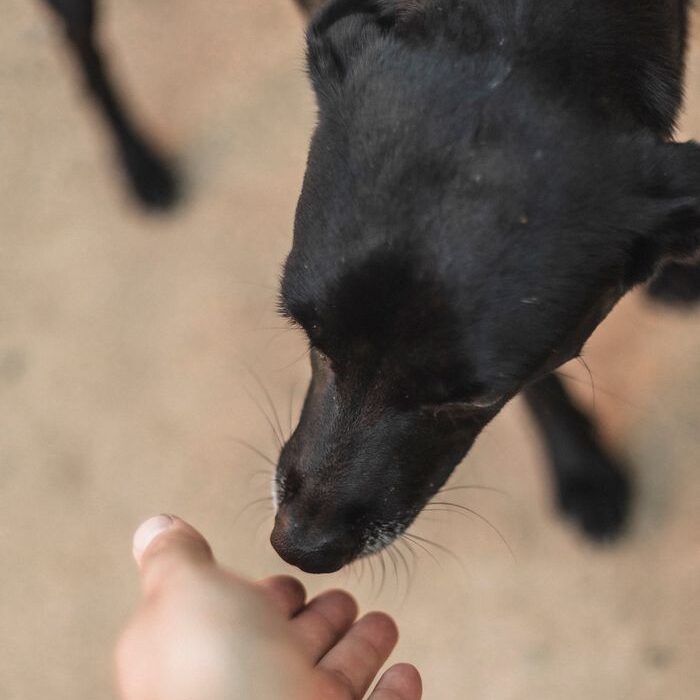
Punishing fearful behavior can actually make anxiety worse.
Instead, look for opportunities to reward calm behavior with:
- Treats
- Gentle praise
- Play (if your pet enjoys it)
- Quiet companionship
Over time, positive experiences help replace fear with confidence.
Watch Your Shy Cat’s Body Language
Pets often tell us they’re uncomfortable long before they growl, hiss, or bark.
Some common stress signals include:
- Lip licking
- Yawning when not tired
- Turning their head away
- Tucked tail
- Ears pinned back
- Hiding
- Dilated pupils
- A tense body posture
Recognizing these early signs allows you to give your pet more space before they become overwhelmed.
Give Them a Safe Place to Retreat
Everyone needs a place where they feel secure, including our pets.
For cats, this might be:
- A quiet bedroom
- A covered cat bed
- A high perch or cat tree
For dogs, it may be:
- Their crate (if they already enjoy it)
- A favorite bed
- A quiet room away from household activity
Allowing pets to retreat when they need a break helps them regulate their own stress instead of feeling trapped.
Patience Builds Confidence
Helping a shy or nervous pet isn’t about fixing them.
It’s about meeting them where they are, respecting their boundaries, and allowing trust to develop naturally.
Some pets gain confidence in a matter of days. Others may need weeks or even months.
Progress is rarely a straight line, and that’s okay.
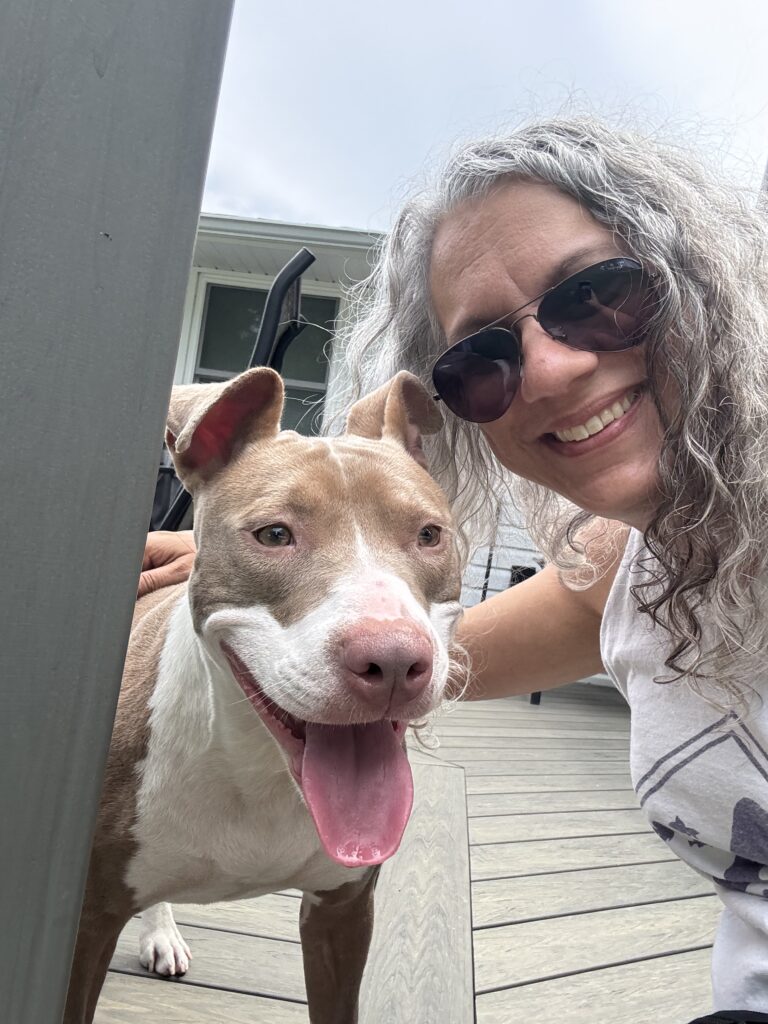
How Fear Free Pet Care Makes a Difference
At Comfort Zone Critter Care, I believe every pet deserves to feel safe, respected, and understood.
As a Fear Free Certified Professional, I focus on reducing stress, not simply getting the job done.
That means allowing pets to make choices whenever possible, reading their body language, moving at their pace, and creating positive experiences that help them feel more comfortable with every visit.
For many shy or nervous pets, that gentle approach can make all the difference.
Final Thoughts
Shy and nervous pets aren’t trying to be difficult – they’re simply doing their best to navigate a world that sometimes feels overwhelming.
With patience, consistency, and compassionate handling, you can help your pet build confidence one positive experience at a time.
If your pet needs care while you’re away, choosing a pet sitter who understands fear, body language, and gentle handling can help make the experience less stressful for everyone involved.